I somehow missed hearing about English until just a week or two before it started here in Los Angeles, at the Wallis Annenberg Center for the Performing Arts. Luckily, I was able to nab a ticket for one of the earliest shows, 4/8/2026, apparently before its “official” opening. It was produced by the Atlantic Theater Company and the Roundabout Theatre Company.
This was a play I came into completely blind. I didn’t know a thing about it other than the ads, which featured the name “English,” the word “English” in Persian script, and four Iranian actresses in a classroom setting. (The fifth character, a guy, was not in the ads.)
I was familiar with one of the leads. Tala Ashe, who plays Elham, also played one of the best characters on a television show I used to watch called Legends of Tomorrow, and was the lead of (in my opinion) its best episode, S3 E11 “Here I Go Again.” I thought it would be fun to see her act in a very different and more serious, live context.
More poignantly, this play is being performed during the USA’s attacks on Iran. I have been a big fan of works coming from Iran, Persia, or the Ancient Near East in general for quite some time–see past attendances of Song of the North and the Gilgamesh opera, or check out the Sumerian Literature Scholarly Reader that I built myself. It felt meaningful and timely to attend something so unfortunately culturally relevant.
Arrival
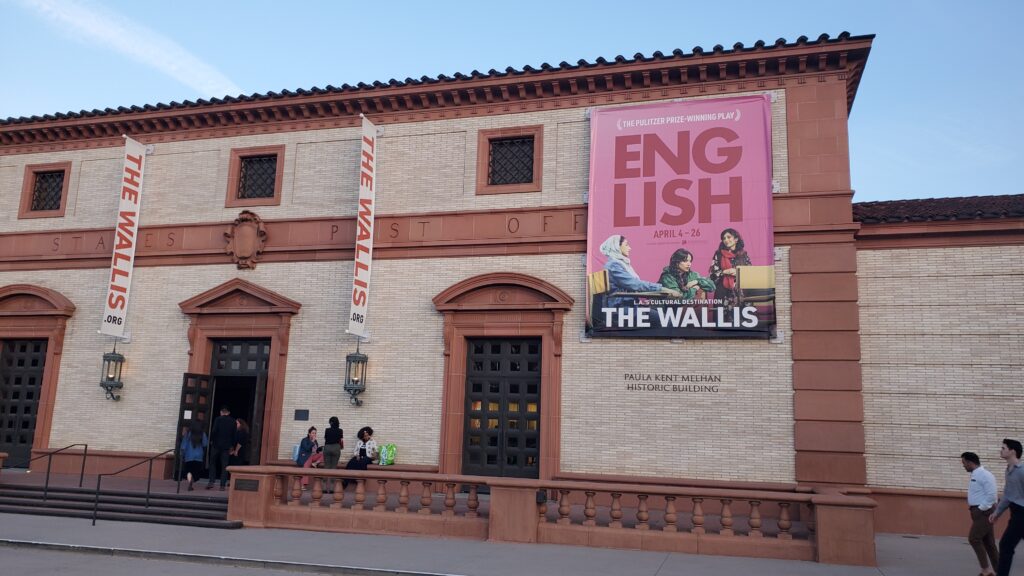
This is my fourth time at the Wallis, and it’s one of my favorite venues. In my opinion it’s also one of the more formal venues in Los Angeles, which I appreciate. The banners were out.

Inside, I first turned left to go to the box office. I had originally bought a front row, far-right side ticket, but I had received an email saying that some new set design element made the view from that seat obstructed, so they were upgrading me to a better seat free of charge. The new seat was about five rows back on the left, aisle side of the right portion–Door B, Seat E-2.
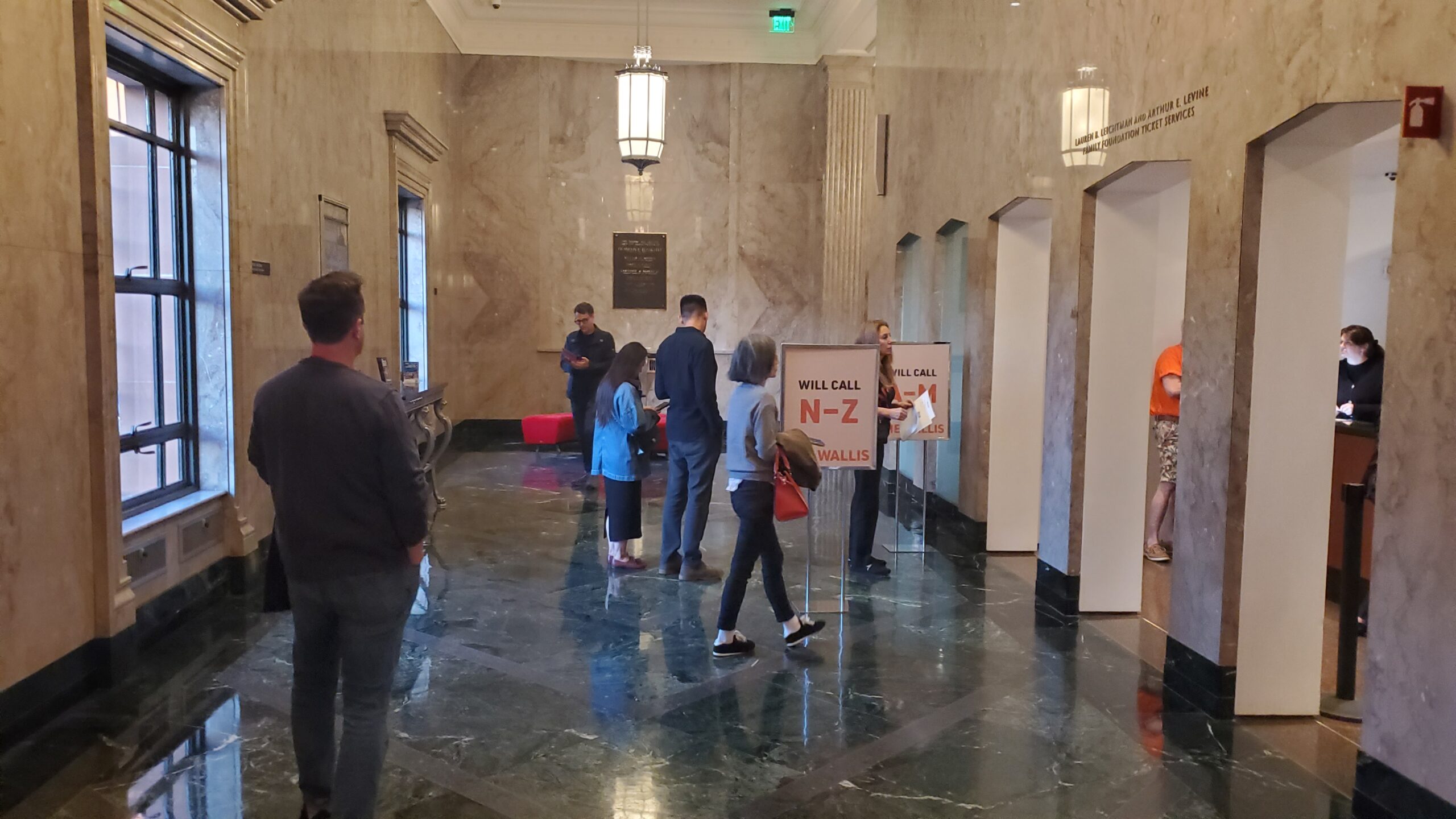
I was able to pick my new physical ticket up quickly and walk a bit before the show.
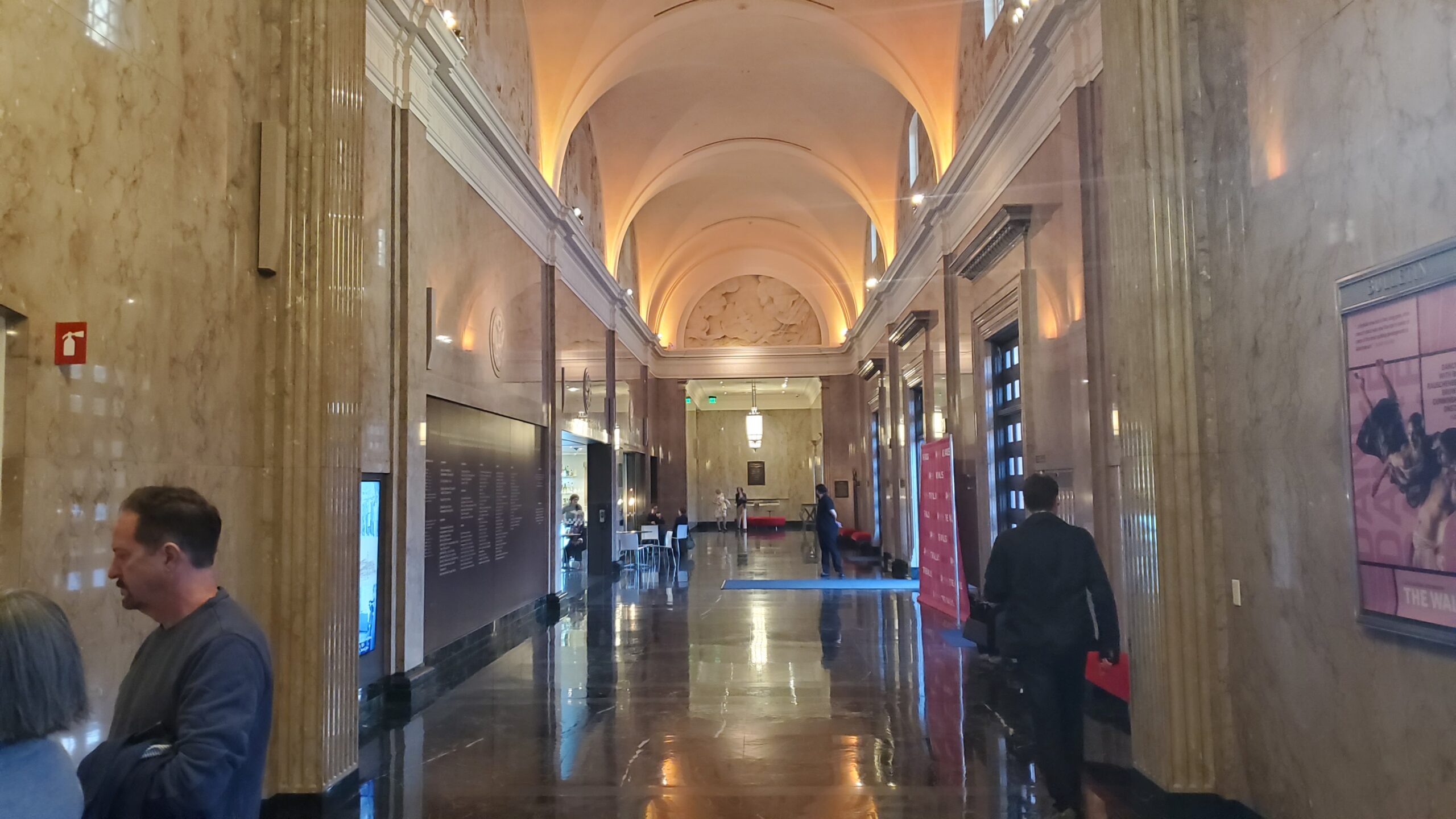
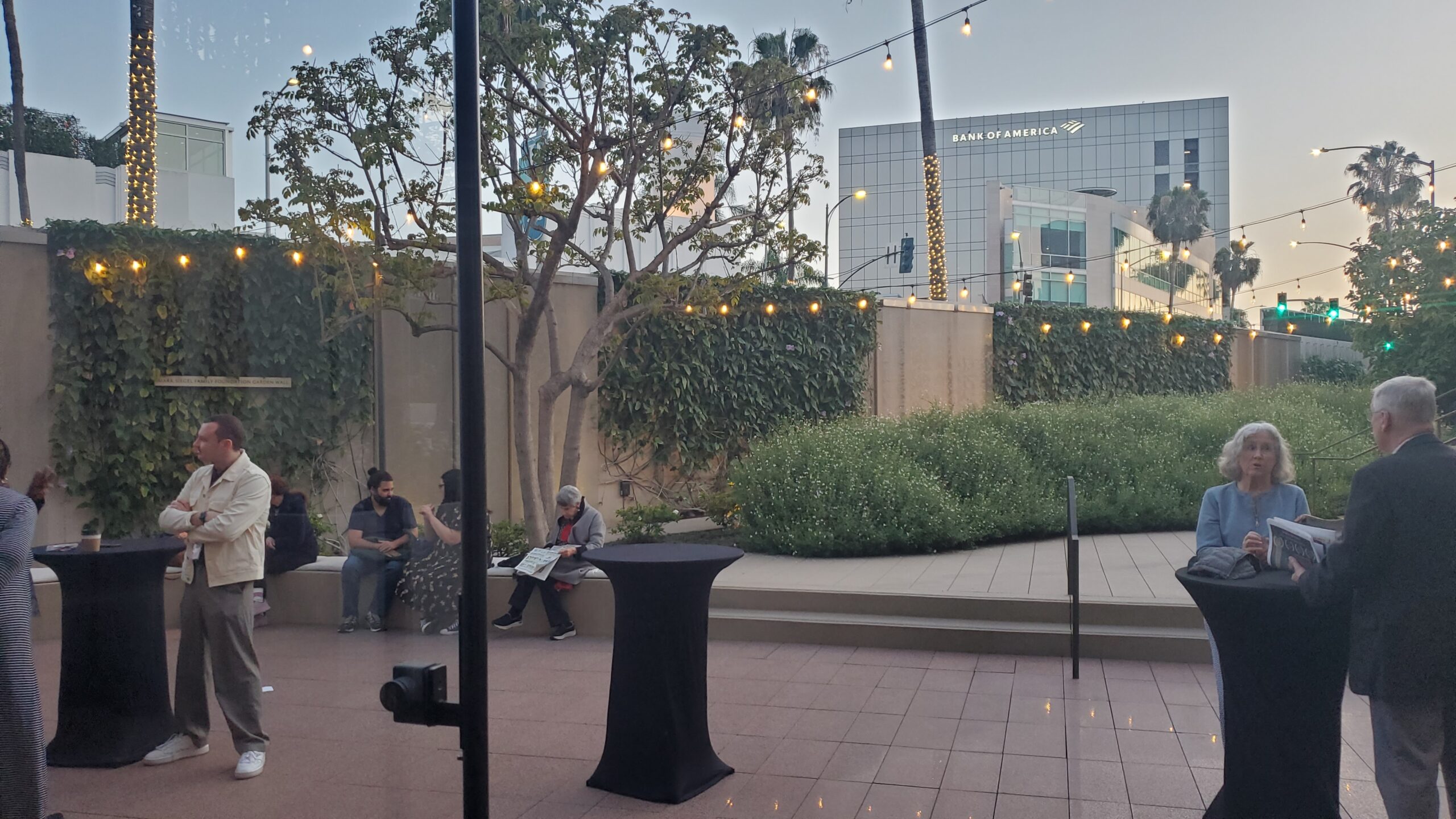
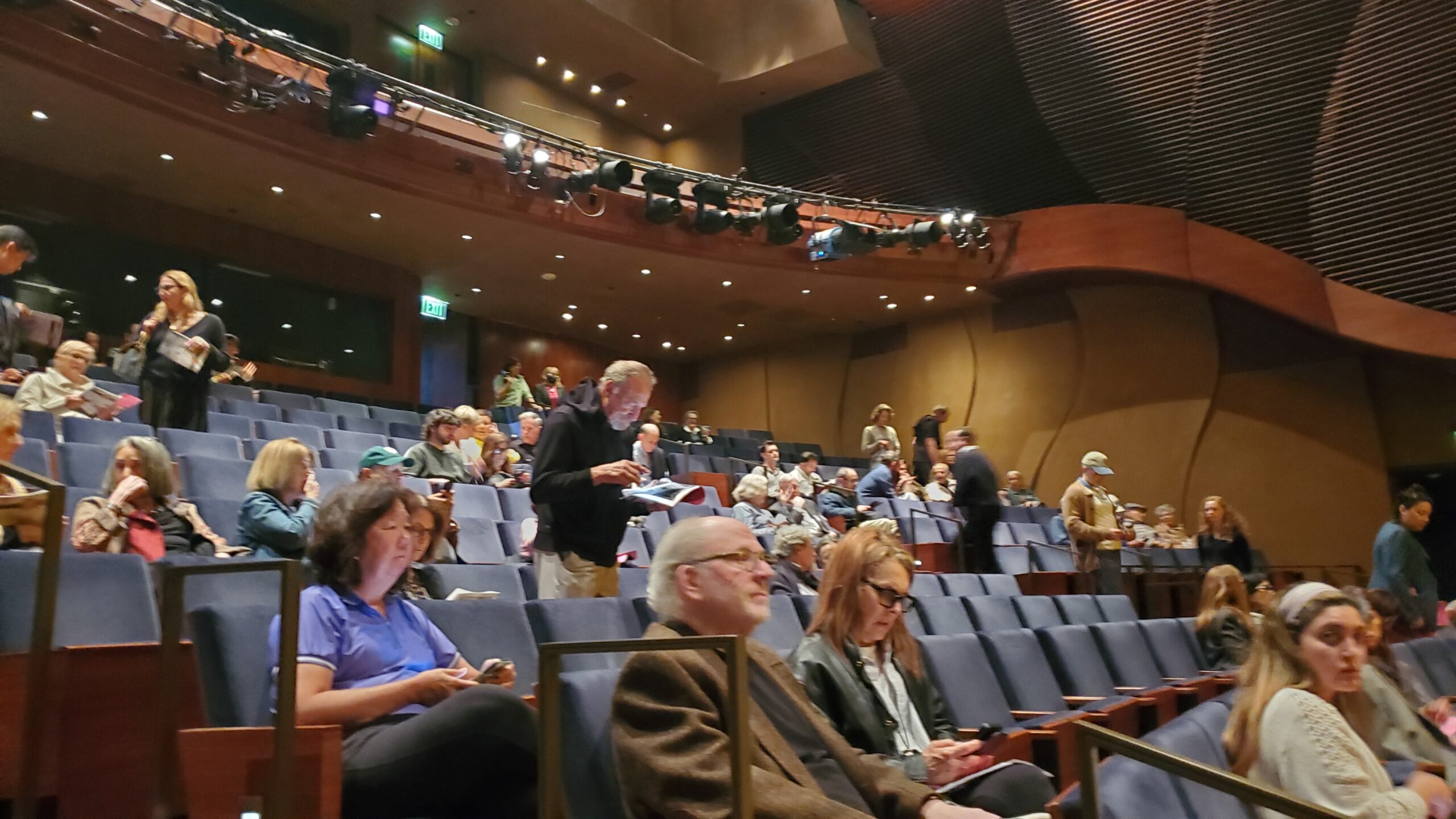
Getting into the theater is always easy, and the theater itself is always beautiful and inviting.
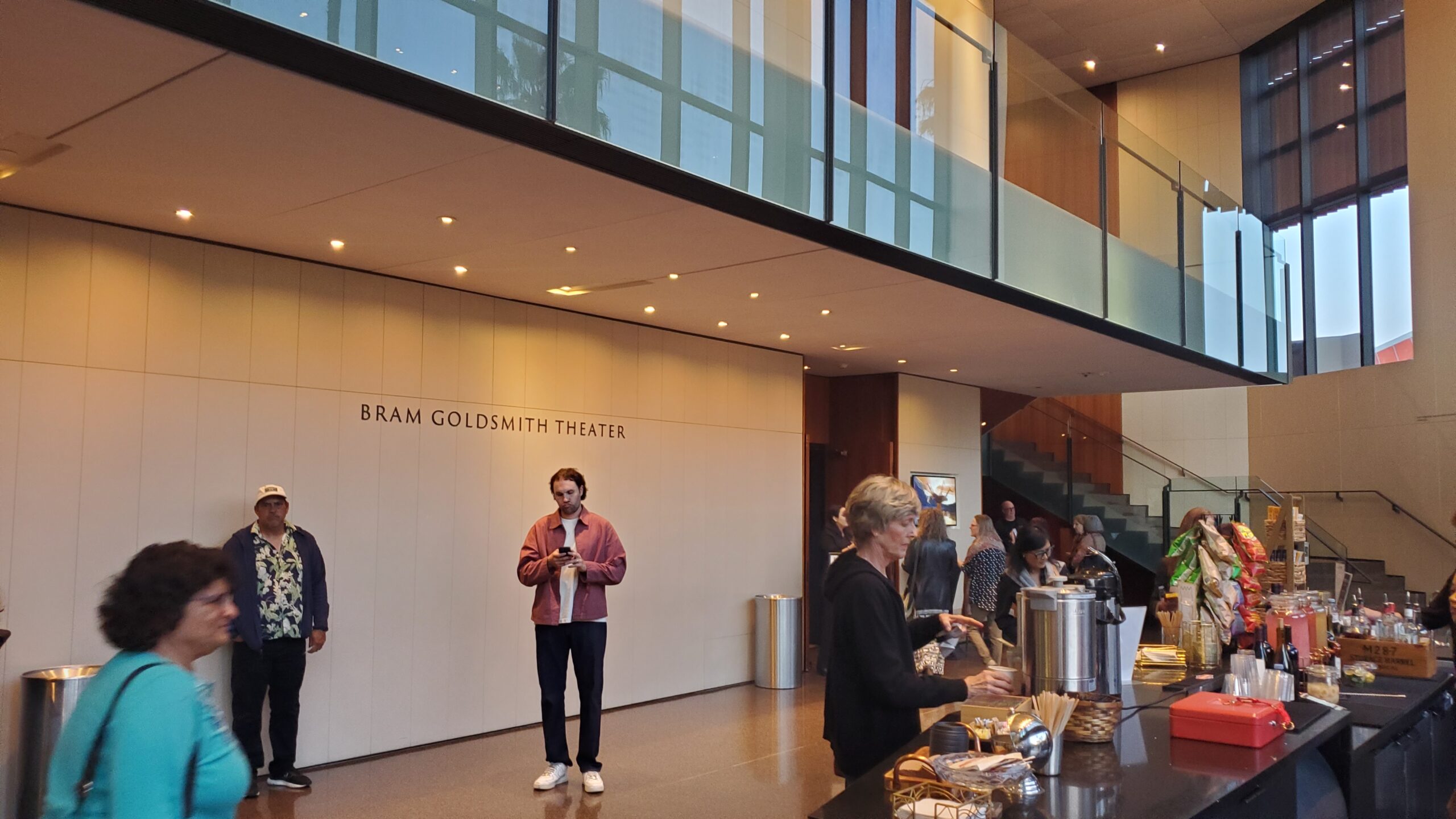
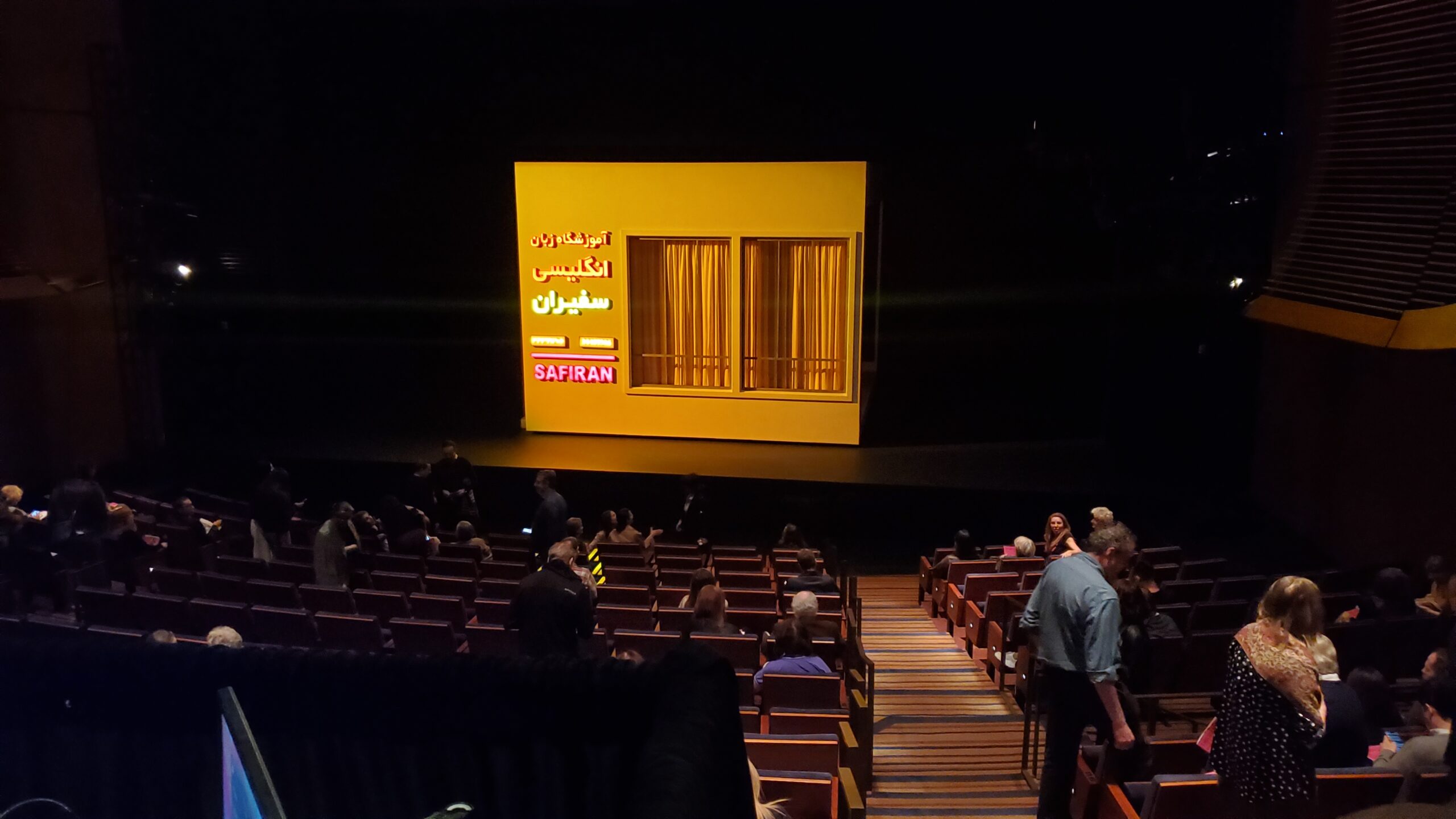
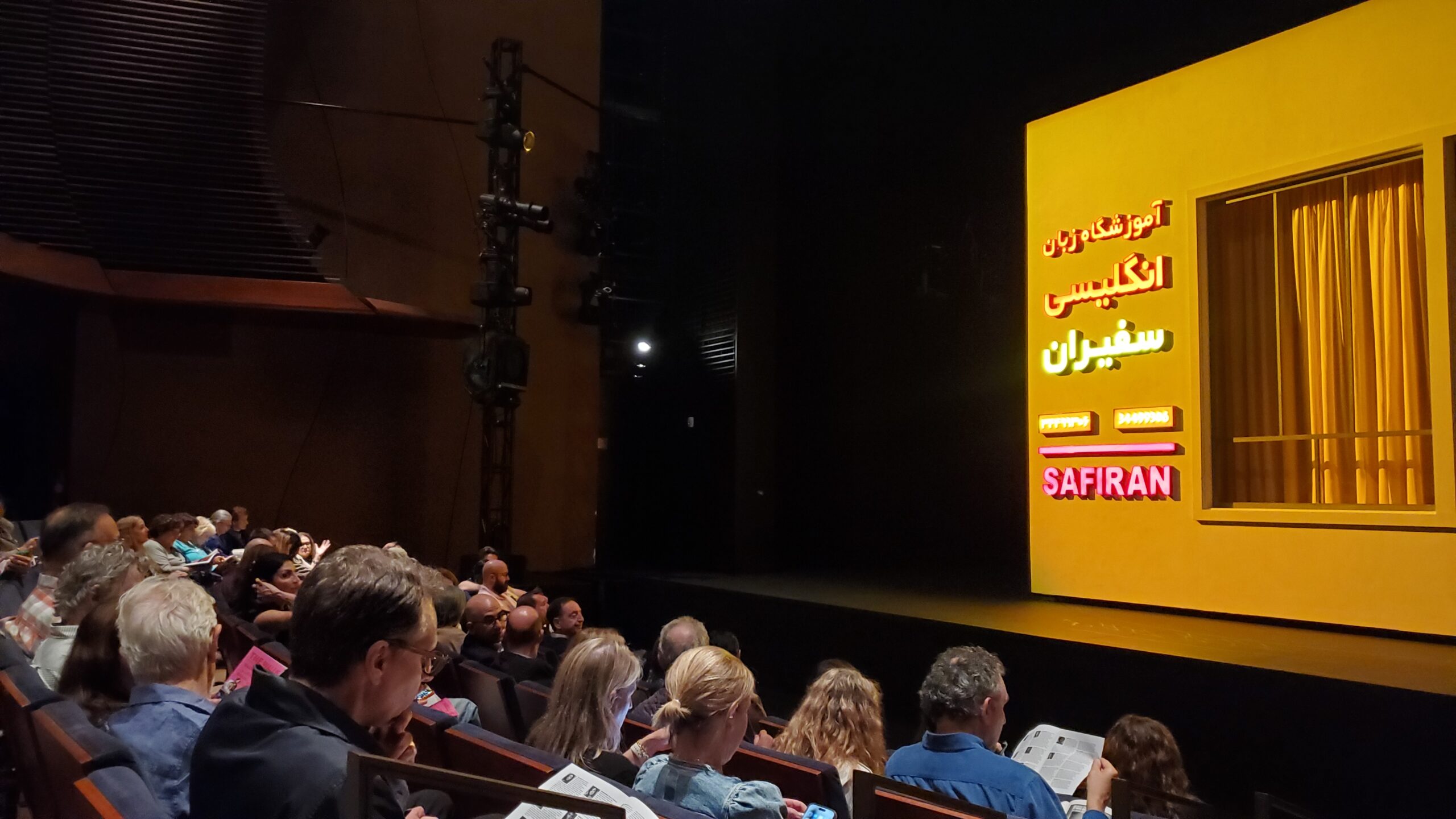
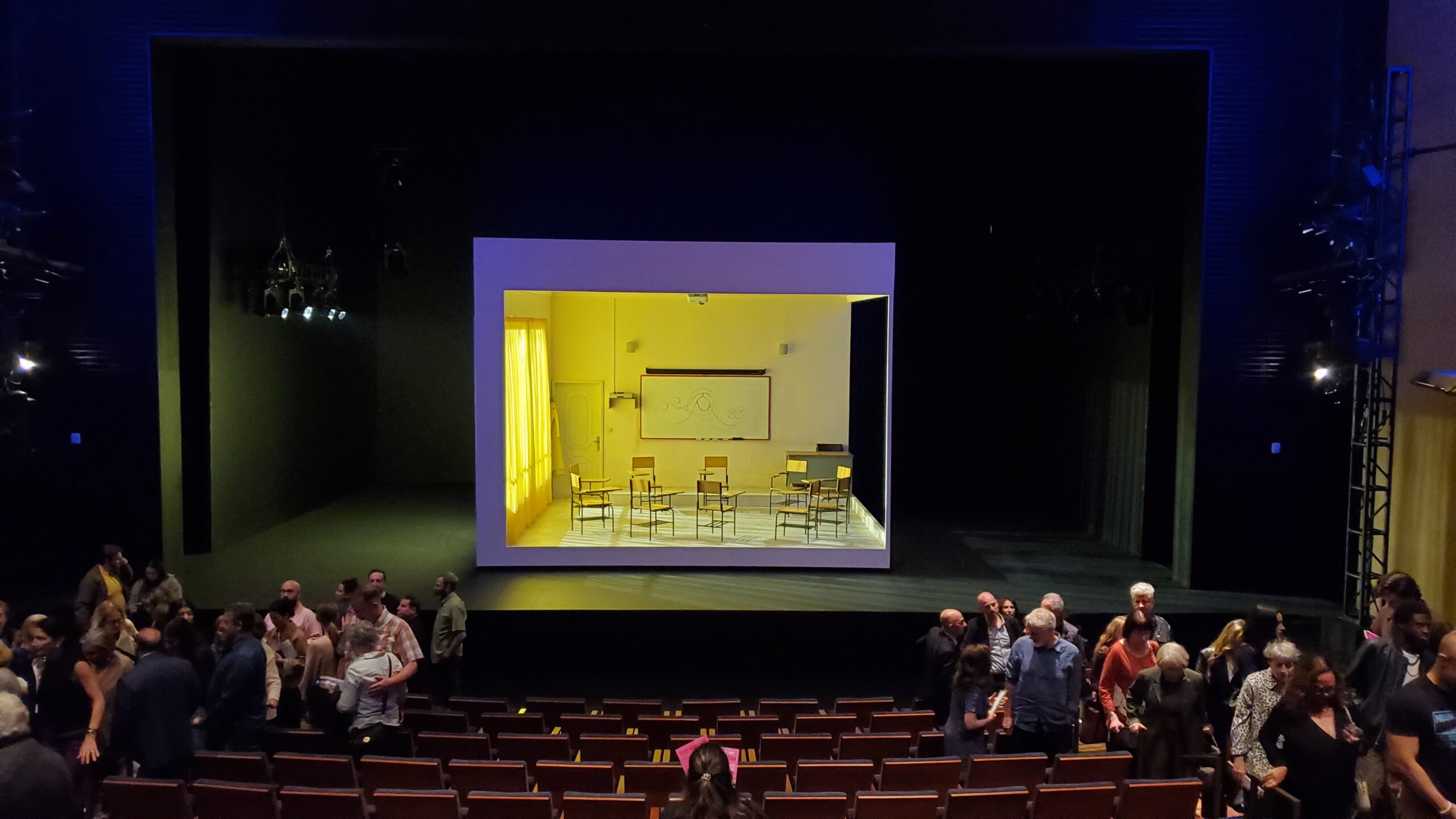
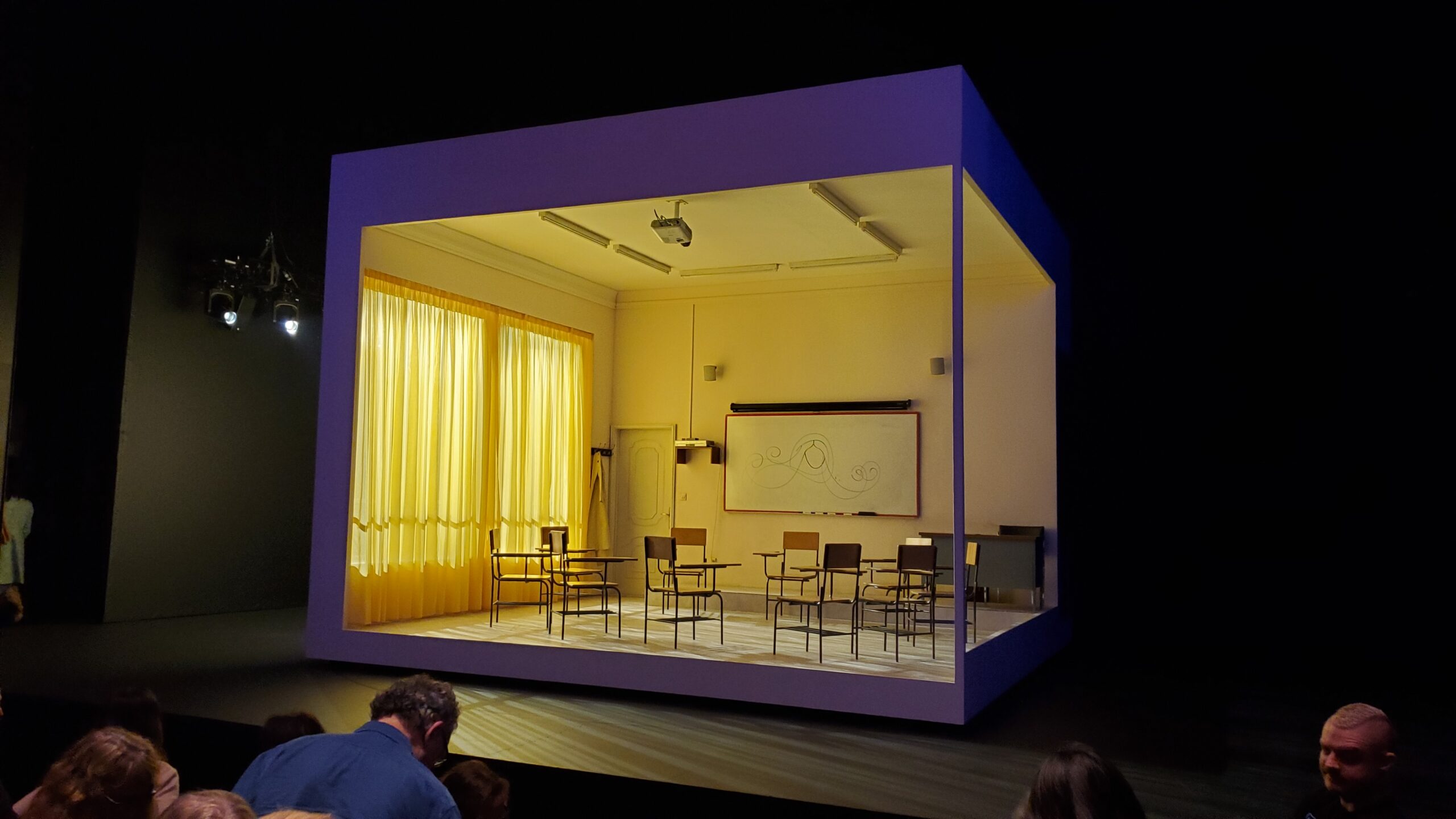
The set on stage tonight was the biggest set I’ve seen on the Wallis’s stage, and I suspected it would rotate around in various ways. It was a cool element on stage to walk in to.
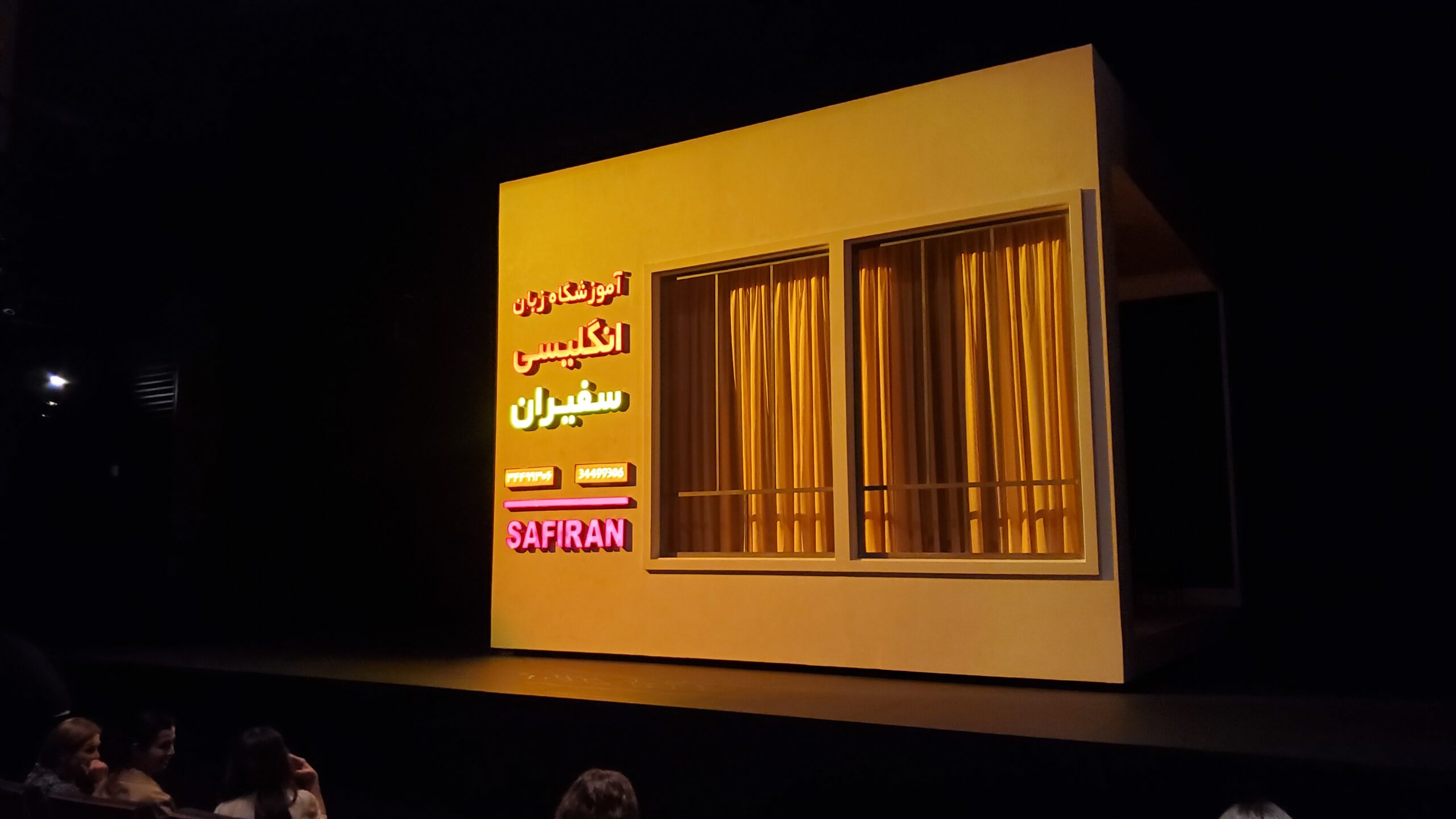
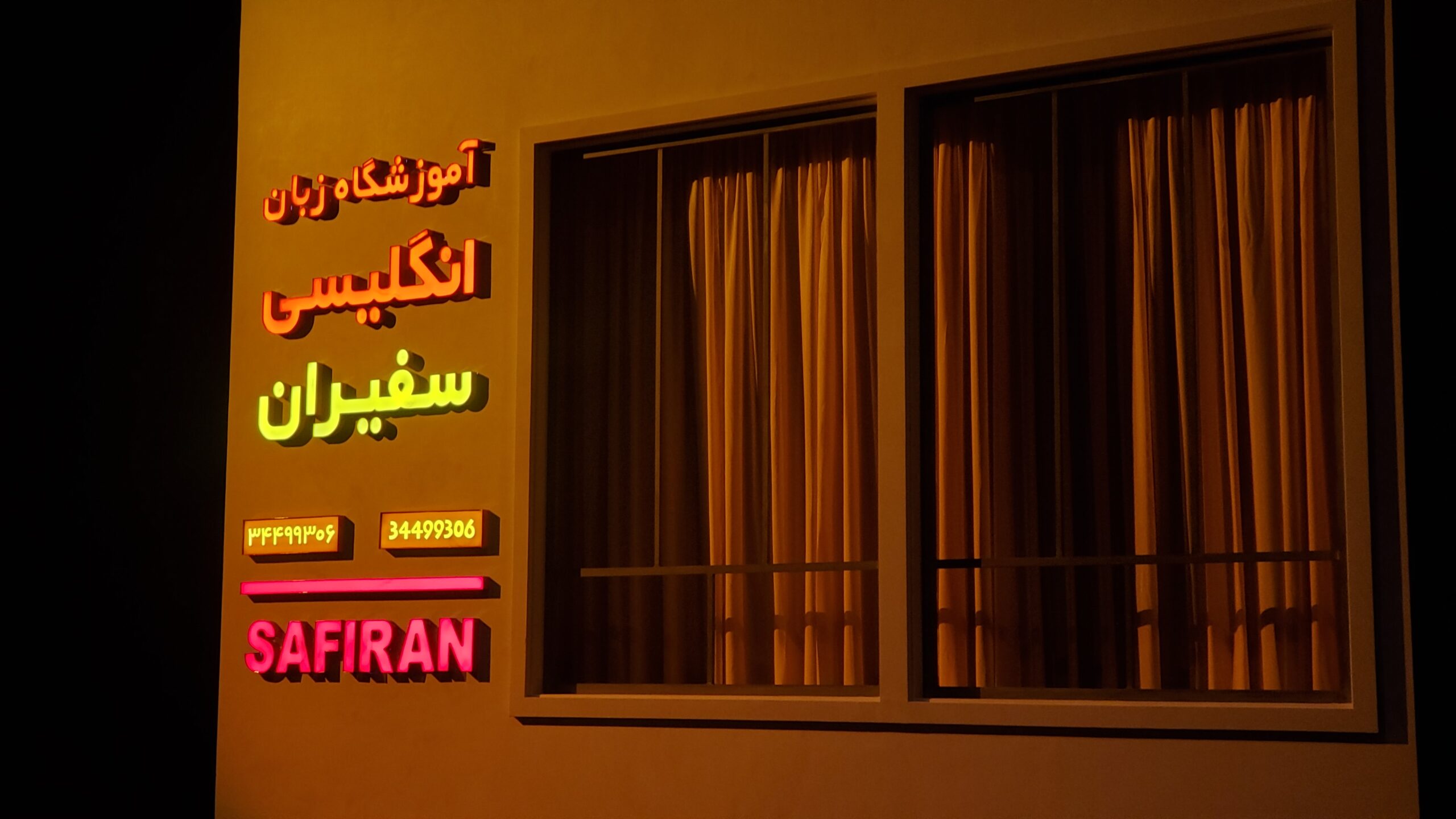
I took my usual program photo and the show soon began.
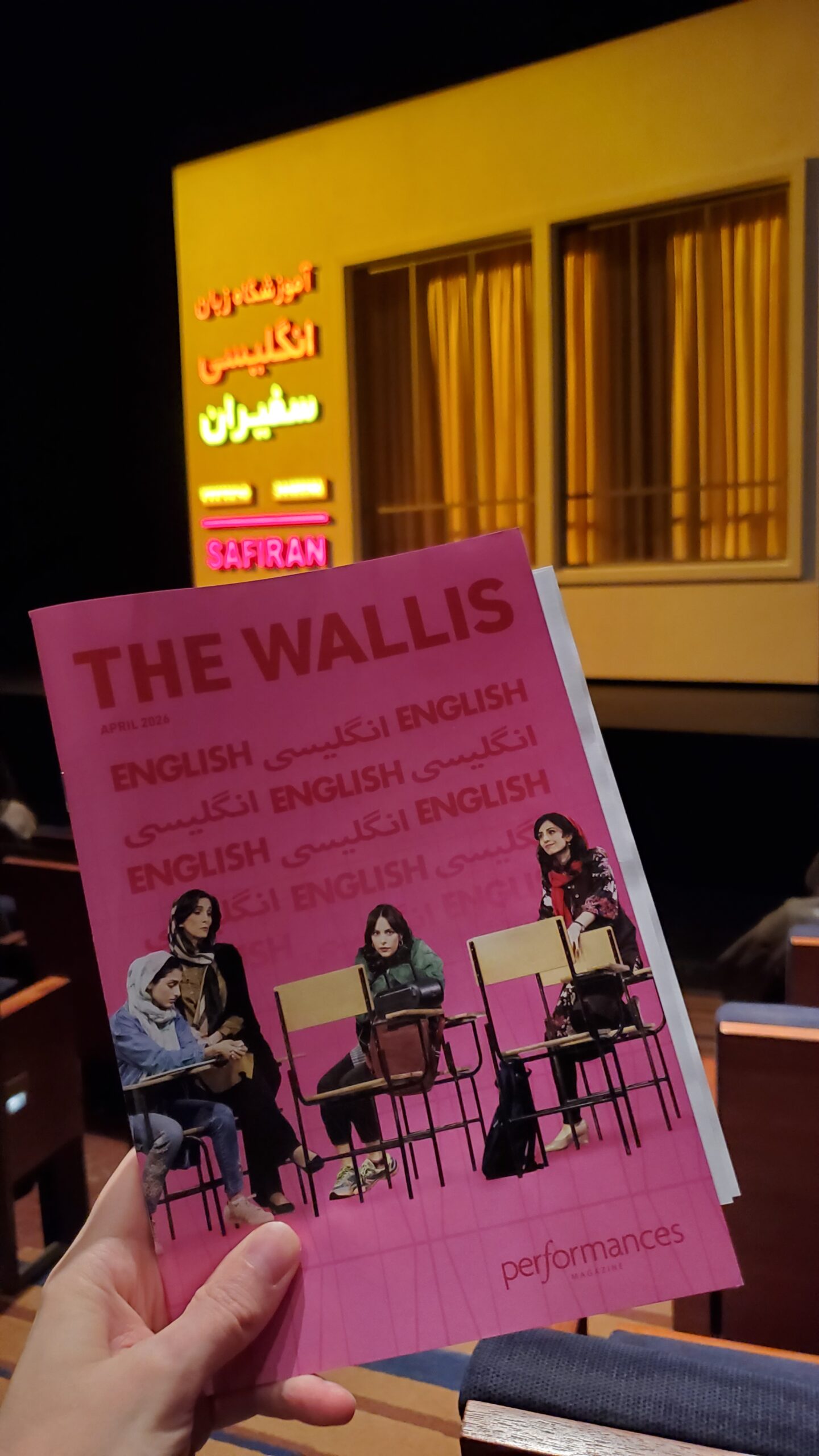
The Performance
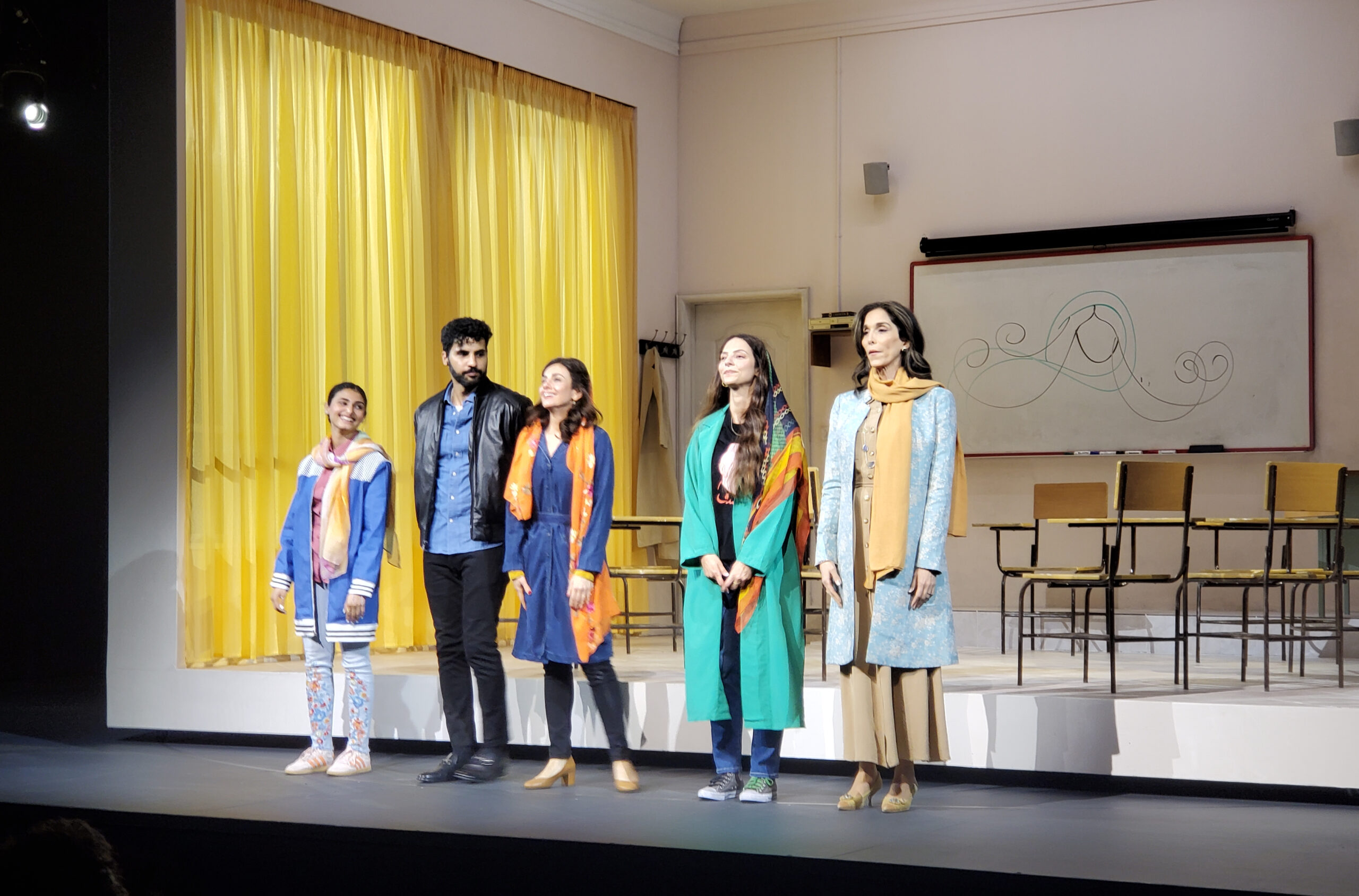
English takes place in an ESL for adults classroom in Karaj, Iran, in 2008, for non-native speakers who want to pass the TOEFL (Test of English as a Foreign Language) and move to an English-speaking country. The five characters in English are Elham, Goli, Roya, Omid, and their teacher, Marjan.
Elham (Tala Ashe) is a stubborn, highly-competitive, very motivated student who says whatever she’s thinking without much concern about being nice. Despite her drive, she is having trouble picking up English, especially not as well as Omid has.
Omid (Babak Tafti) is an attractive, charismatic student who seems to have a natural mastery of English already, even with words like “windbreaker.” He and Marjan, the teacher, start to connect over the language.
Goli (Ava Lalezarzadeh) is a younger, more bubbly student who doesn’t let herself get too bothered. While sometimes functioning as a lower-pressure comic relief, she is still clearly motivated to learn.
Roya (Pooya Mohseni) is an older student who is deeply connected to her culture, and the language serves as a function of that. She wants to learn English so she can go visit her grandchildren in Canada.
Marjan (Marjan Neshat) is the class instructor, who spent years living in London and speaks fluent English as a result. She loves the language, but doesn’t get many chances to speak it back here in Iran.
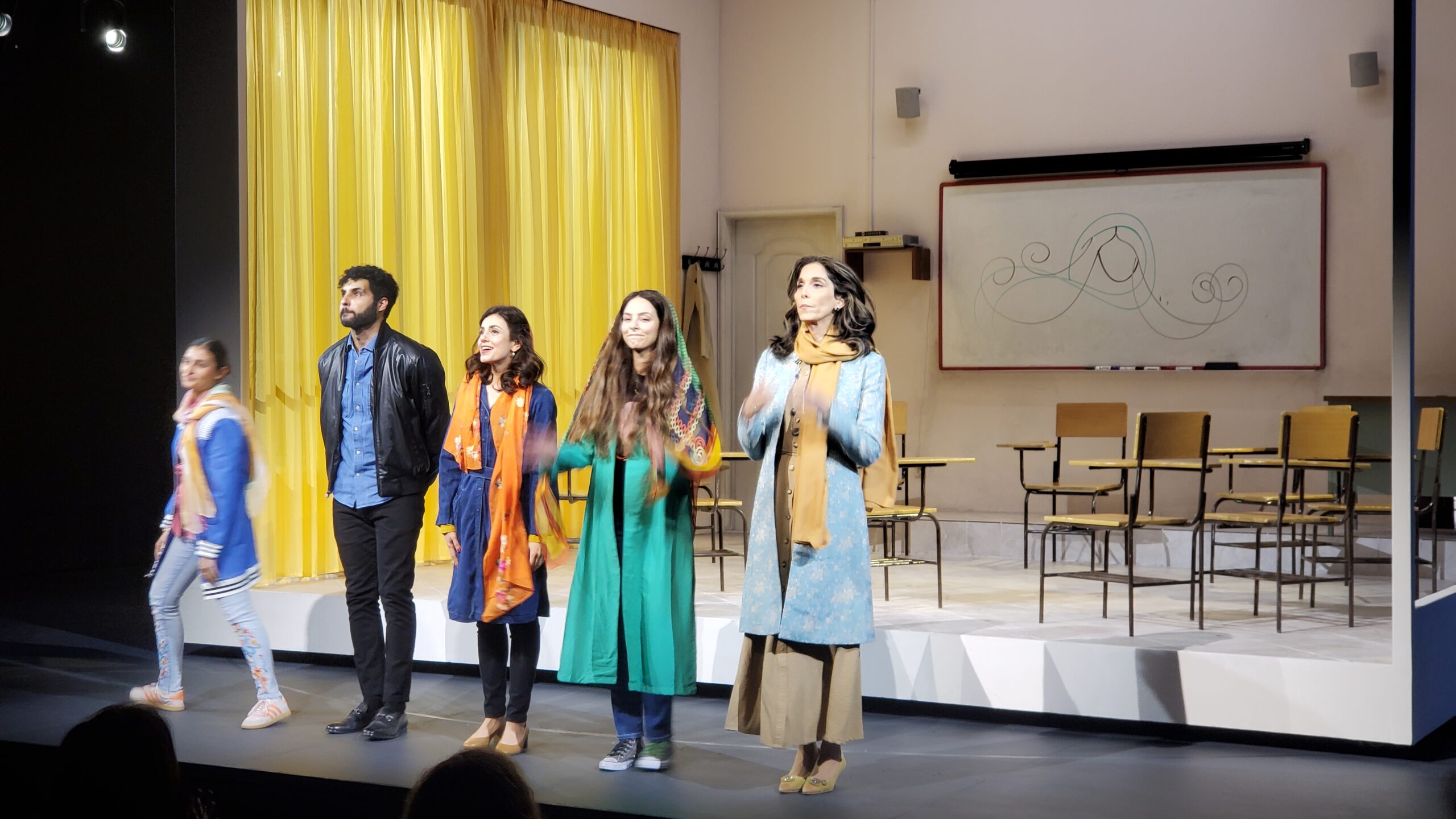
The play follows moments from the classes over days, weeks, perhaps months. Tightly-written, witty scenes quickly establish relationships, personalities, and struggles. At first I was worried that it might feel surface-level if the only location was this one classroom, but that thought evaporated very quickly.
The rotation of the set (I was right) not only showed the whole classroom setting, but showed the passage of time and the changing of scenes. It would rotate a little bit one way, or a little bit the other way, while the actors would adjust the curtains and the lighting would shift from morning to night to midday. It truly felt like different camera angles across weeks of time–very clever lighting and staging. Since the room was full of desks and chairs, the actors could also move them around to create different environments right for each scene.
There was almost no Persian dialog spoken in Persian itself. This was another ingenious trick. When characters were speaking in English, the actors would use realistically heavier accents, just like how those characters would actually sound speaking English. When the characters spoke Persian, they spoke “without an accent” in “normal,” fast English–signifying how much easier and more casual it was for them. It took a couple minutes for me to understand this, because it wasn’t spelled out or anything, but once the device hit me I recognized how smart it was.
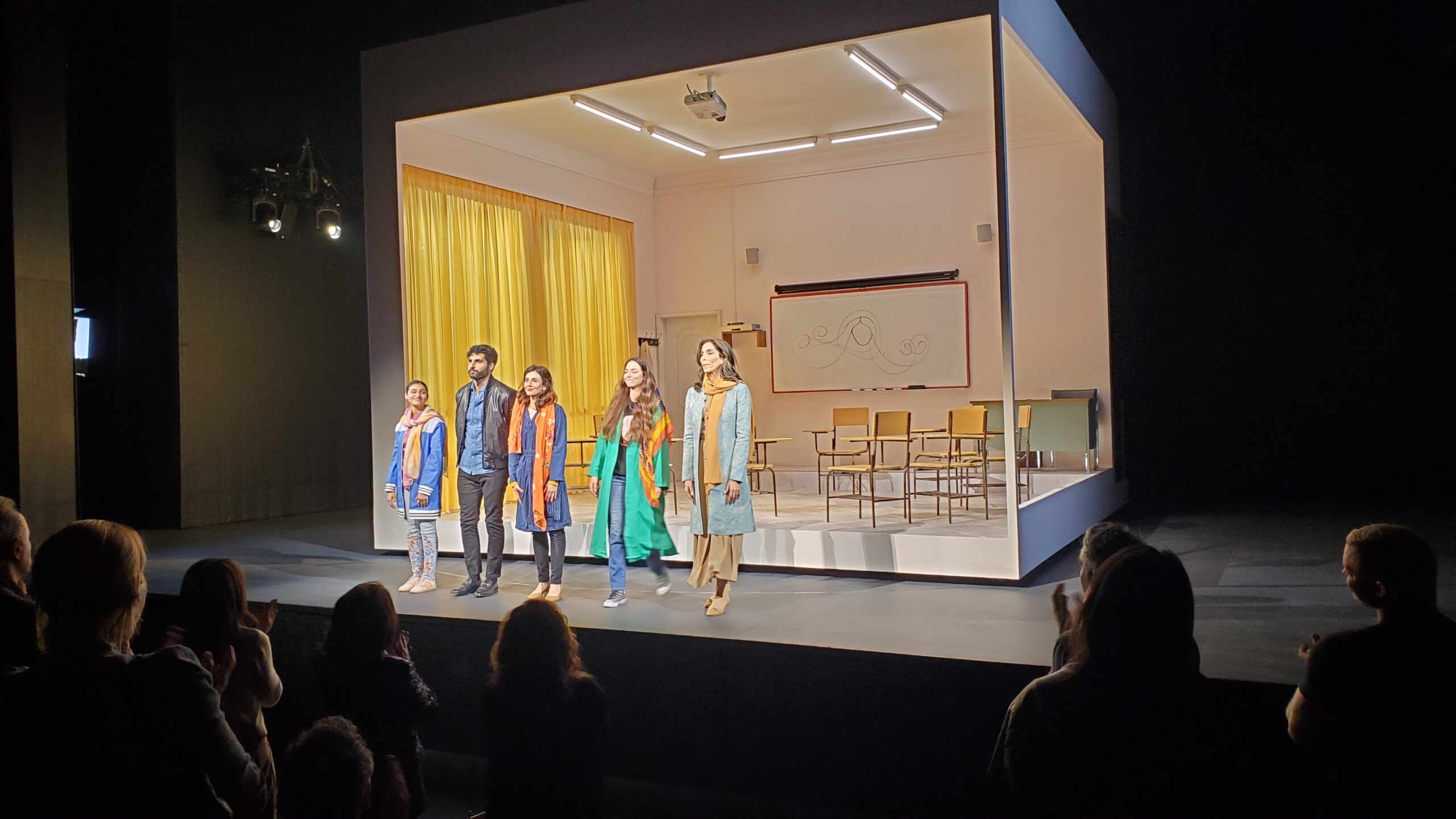
I was struck by how each character provided a different lens on what a language could mean to a person based on their history and their outlook. My favorite example of this has to be Roya (Mohseni). Understanding how she could interpret a supposedly simple English language exercise as something more significant that would go against her very heritage was incredibly moving. Mohseni gave the character weight, roots, and the clearest emotional sinking feeling in your stomach. It was a great performance.
Ashe’s character Elham felt like the main protagonist, if there was one at all. Ashe played her with just the right mix of stubbornness and rebelliousness, while not making her cross any lines too far or act too unlikeable. You wanted to root for Elham even if you could spot her flaws and acknowledge them. You wanted to root for her to win against her own inner worst parts. That feels like a tough needle to thread as an actor, but Ashe nailed it. I continue to be impressed.
Marjan Neshat’s eponymous instructor character was also handled well, and it felt like a tricky one too. Without giving anything away, the interpersonal relationships Marjan forms with the students, especially Elham and Omid, had a lot of layers and were rich with meaning and significance, and they changed steadily throughout the play. She brought a great mix of inspiration and sadness to the role.
The younger student, Goli (Lalezarzadeh), while perhaps not written as weightily as the others, still had an important role. Lalezarzadeh was a natural for the character, giving the impression that Goli was picked up straight out of a real life TOEFL classroom and dropped right into this play. If I could change one thing about this play it might be to give her part just a pinch more meat, because her deeper scenes with Elham were some of the best.
Finally, Tafti’s character Omid was acted very well too, with Tafti’s performance giving the most subtle of hints about what was to come. Saying anything more would be spoiling it, unfortunately, but across multiple ups and downs, he gave all the right vibes.
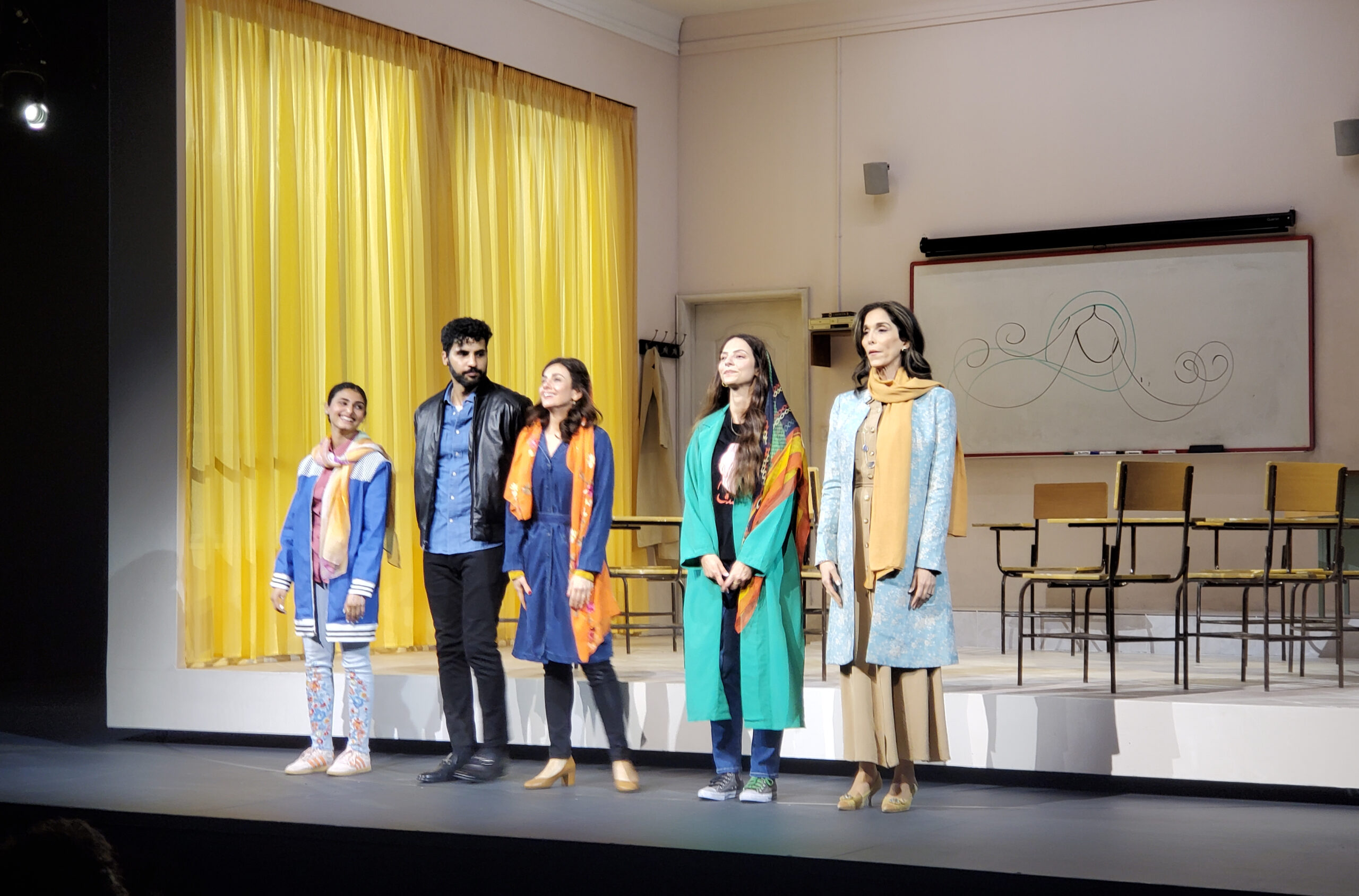
Written by Sanaz Toossi, English received five nominations at the 78th Tony Awards, including for Best Play. Further, it won the Pulitzer Prize for Drama in 2023. I’m not usually an “awards guy,” but I must say that in this case, I can see why. It was one of those shows where every element across every level just seemed to work.
There were just a couple lines spoken in Persian near the very end, and I do wish I knew what they translated to. But hearing Persian felt meaningful after the whole play, so it didn’t take away from the experience at all either.
In a moment when Iranian culture feels so politically charged, it was so worthwhile to be able to connect through this play.
Full Cast & Context
English was written by Sanaz Toossi.
The cast included:
- Tala Ashe: Elham
- Ava Lalezarzadeh: Goli
- Pooya Mohseni: Roya
- Marjan Neshat: Marjan
- Babak Tafti: Omid
The understudies were:
- Tara Grammy: Elham/Goli
- Beejan Land: Omid
- Pantea Ommi: Marjan/Roya
The creative team included:
- Knud Adams: Director
- Marsha Ginsberg: Set Designer
- Enver Chakartash: Costume Designer
- Reza Behjat: Lighting Designer
- Sinan Refik Zafar: Sound Designer
- Ruey Horng Sun: Projection Designer
- Sara Sahin: Production Stage Manager
- Lexie Kahanovitz: Assistant Stage Manager
- Ludmila de Brito: Assistant Director
- Michael Bennett Lewis: Associate Set Designer
- Colleen Doherty: Associate Lighting Designer
- Nat Nicholas: Associate Projection Designer
- Chad Smith: Technical Director
- Deb Hartwell: Wardrobe Supervisor
- Nick Giambrone: Lightboard Operator
- Emmanuel Bradshaw: Video Technician
- Randy Pound: Deck/Fly
- Donato Karingal: Automation Operator
- Emily Joe: Props Lead
- Eddie Franklin, III: Deck/Props
- Josemanuel Fraire: A1
- Juan Marroquin Perez: A2
The Atlantic Theater Company is a New York nonprofit theater founded in 1985. They have premiered a lot of new Off-Broadway plays over the years in their two venues, the Linda Gross Theater and the Stage Two black-box.
The Roundabout Theatre Company is another New York theater company, more of an institution, founded in 1965. They operate multiple Broadway and Off-Broadway venues and are known for revivals, musicals, and new productions alike.
Sanaz Toossi is a contemporary playwright whose work has won multiple awards. Her other major play, Wish You Were Here, is now very high on my to-see list.
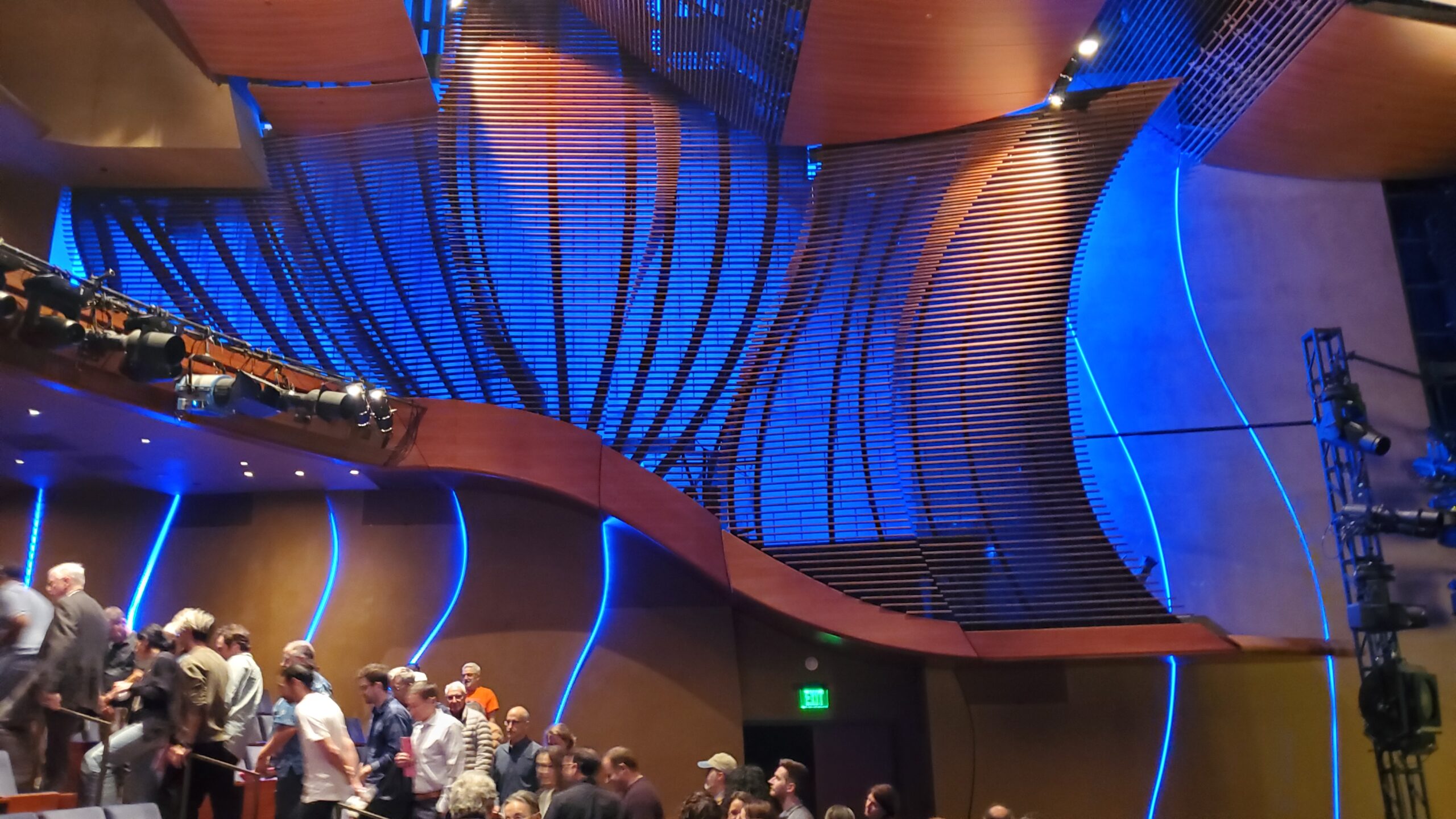
The Wallis Annenberg Center for the Performing Arts opened in 2013 in Beverly Hills, partially housed in the restored 1933 Beverly Hills Post Office building. It’s named for Wallis Annenberg, the media heiress and philanthropist behind the Annenberg Foundation. The complex mixes the old Spanish Revival architecture with a sleek new theater space below, and is more intimate than the other Music Center venues.